


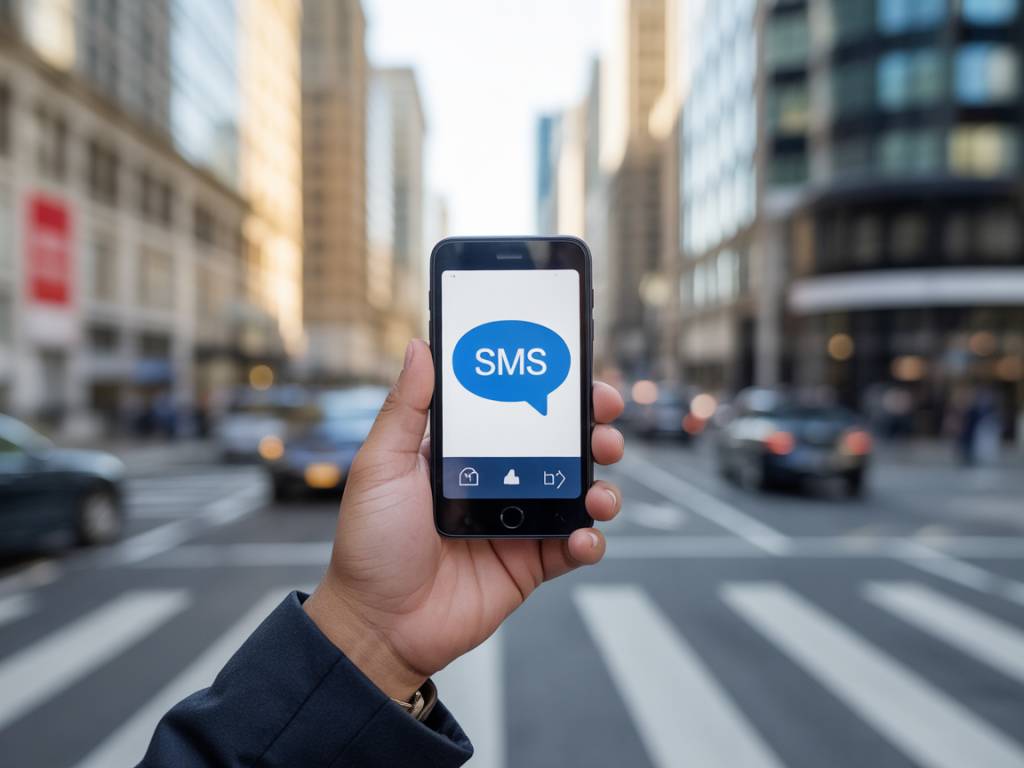
Understanding the Shift: RCS Messaging vs SMS in 2026
In 2026, the debate around RCS messaging vs SMS has moved from theory to practice. Brands, mobile operators, and marketing teams are no longer asking whether Rich Communication Services will matter, but how fast they can scale it. As mobile usage continues to dominate customer engagement, RCS has emerged as a powerful upgrade to traditional SMS, combining the reach of text messaging with the interactivity of mobile apps.
For mobile marketers, this evolution is not just a technical upgrade. It marks a strategic shift from simple text blasts to rich, personalized, and measurable conversations directly inside the native messaging app. Understanding the differences between RCS and SMS is now essential for any brand looking to stay competitive in mobile marketing in 2026.
What Is RCS Messaging and How Does It Differ from SMS?
SMS (Short Message Service) has been the backbone of mobile communication for decades. It is universal, reliable, and supported on virtually every mobile device. However, SMS is limited to 160 characters per message, supports only basic text (with minimal formatting), and offers weak tracking capabilities beyond delivery reports and simple link clicks.
RCS (Rich Communication Services) was designed to modernize the default messaging experience. Instead of plain text, RCS enables rich media and interactive elements within the messaging app, without requiring users to install additional applications.
Key differences between RCS messaging and SMS include:
- Content format: RCS supports high-resolution images, carousels, quick-reply buttons, suggested actions, maps, and even forms. SMS remains text-first with limited multimedia via MMS.
- Branding: RCS allows verified business profiles, including logo, brand name, and color themes. SMS typically shows only a phone number or short code.
- Interactivity: RCS supports two-way, app-like experiences inside the message thread. SMS usually pushes users to external websites or apps.
- Analytics: RCS provides richer campaign analytics such as message opens, button clicks, and interaction flows. SMS reporting is mostly focused on delivery and link clicks.
- Security and trust: Brand verification and improved sender ID in RCS help reduce fraud and spoofing compared with standard SMS.
The result is that RCS messaging works as a hybrid between SMS and a branded mobile app, while still leveraging the familiarity and reach of the native messaging inbox.
Why RCS Is Gaining Momentum in Mobile Marketing
Several market forces in 2026 are pushing brands to move beyond standard SMS and adopt RCS messaging as a central part of their mobile marketing strategy.
First, consumer expectations have changed. After years of using rich messaging apps and conversational interfaces, users expect consistency across all mobile channels. Plain text SMS now feels limited when compared with the experiences available in social messaging, mobile apps, and the mobile web.
Second, operators, device manufacturers, and major tech companies have aligned more strongly behind RCS. Native support has expanded across Android devices in key markets, and more mobile operators now promote RCS Business Messaging as a premium channel for brands. While adoption remains uneven in some regions, coverage is sufficient in many markets for customer-facing campaigns at scale.
Third, mobile marketing teams are under pressure to deliver measurable, conversion-focused campaigns. SMS remains highly effective for reach, but RCS provides more interaction points within the message itself, enabling marketers to shorten the customer journey and reduce friction between discovery and action.
Core Features That Make RCS a Game-Changer for Brands
When comparing RCS messaging vs SMS, several features stand out as particularly relevant for marketers in 2026.
- Rich media content: Brands can embed product images, video previews, GIFs, and interactive cards directly in the conversation. This transforms transactional notifications and promotional campaigns into more engaging experiences.
- Interactive buttons and carousels: Call-to-action buttons such as “Buy now,” “Book appointment,” or “Track order” can be inserted within the message. Carousels let users swipe through multiple products or offers without leaving the thread.
- Guided conversational flows: RCS supports structured flows that guide users through steps, such as selecting a product, confirming an appointment, or answering a short survey, with each step happening directly in the chat.
- Verified business profiles: Brands can show a verified badge, complete profile, and visual identity in the messaging interface. This visibility reinforces trust and helps distinguish legitimate communications from spam or phishing attempts.
- Enhanced KPIs and analytics: With detailed metrics on opens, interactions, and conversation progression, marketers can optimize campaigns in near real-time and attribute conversions to specific messages or flows.
These features collectively turn the standard messaging inbox into a branded engagement hub, blurring the lines between messaging, mobile web, and app experiences.
RCS Use Cases Transforming Mobile Marketing in 2026
By 2026, several use cases for RCS in mobile marketing have reached maturity, showing how rich communication can impact both top-of-funnel engagement and post-purchase loyalty.
- Product discovery and promotions: Retailers use RCS to send personalized product carousels, time-limited offers, and contextual recommendations based on past behavior. Users can browse items, view details, and move toward purchase without leaving the conversation.
- Conversational commerce: For e-commerce and direct-to-consumer brands, RCS supports full purchase flows, from product selection to payment redirection, often integrated with mobile wallets or secure web checkouts. This shortens the path from awareness to conversion.
- Appointment booking and reminders: Healthcare providers, beauty salons, and service businesses use RCS to let users pick time slots, confirm bookings, or reschedule appointments through quick-reply buttons and guided flows.
- Customer support and post-purchase care: RCS messaging helps brands provide interactive FAQs, trouble-shooting flows, and easy access to live agents. Customers can share photos or videos of issues, improving resolution speed.
- Delivery and order tracking: Logistics and retail brands send RCS updates with live tracking maps, delivery time windows, and action buttons to change delivery preferences or provide additional instructions.
- Surveys and feedback: Short, interactive surveys within the message thread increase response rates compared with traditional SMS or email links, helping brands measure satisfaction and improve services.
Across these scenarios, the difference between RCS and SMS is not only about richer visuals, but about reducing friction in every action the user takes.
RCS Messaging vs SMS: Performance and ROI
Marketers evaluating RCS vs SMS performance focus on three main dimensions: engagement, conversion, and overall ROI.
On engagement, early campaigns consistently show higher interaction rates with RCS compared to SMS. Buttons, rich visuals, and more intuitive flows lead to greater user participation than simple text messages with links. This is particularly true for promotional and discovery-led campaigns.
On conversion, the ability to keep the user within the messaging interface often results in fewer drop-offs. Reducing steps, avoiding page load times, and minimizing app switching all contribute to higher completion rates for actions such as purchases, bookings, or registrations.
On ROI, the cost per message for RCS can be higher relative to SMS, depending on the market and operator pricing. However, when campaigns are well-designed, the improved conversion metrics and richer data often justify the investment. In many cases, brands choose a mixed approach: using SMS for basic alerts and broad reach, while deploying RCS for high-value, interactive campaigns where engagement and conversion matter most.
Reach, Compatibility, and the Reality of Fragmentation
One of the main questions in the RCS messaging vs SMS discussion is coverage. While SMS remains universally supported, RCS deployment is still uneven across devices, operating systems, and regions.
By 2026, Android support for RCS is strong in many markets, with native clients handling rich communication out-of-the-box. However, not every user will have RCS enabled, and not every device will be fully compatible. Some operating systems, and specific regions, may still rely heavily on traditional SMS or alternative messaging ecosystems.
To address this, many mobile marketing platforms now offer “fallback” logic. If RCS is not available for a given user, the message is automatically downgraded to SMS or MMS, maintaining reach while optimizing experiences where possible. Brands can design campaigns that gracefully adapt to the user’s capabilities, ensuring that no segment is excluded from key communications.
This hybrid approach reflects a practical reality: SMS is not disappearing in 2026. Instead, it coexists with RCS, with each channel used strategically based on audience, use case, and expected ROI.
Privacy, Security, and Trust in Rich Business Messaging
As rich business messaging evolves, concerns around privacy and security remain central. Users are increasingly aware of data usage, consent, and messaging fraud. RCS offers tools that can help address these concerns, but implementation quality varies from one market to another.
Verified sender identities, branded profiles, and stronger authentication mechanisms contribute to higher trust in RCS messaging compared with generic SMS from unknown numbers. However, brands must still respect consent regulations, anti-spam laws, and user preferences. Transparent opt-in processes, clear value propositions, and easy opt-out mechanisms remain essential, regardless of channel.
Data collected through RCS interactions, such as button clicks or conversation flows, must be handled with the same rigor applied to other first-party data sources. Marketers are integrating RCS analytics into CDPs and CRM platforms, ensuring that segmentation, personalization, and measurement respect both regulation and user expectations.
How Mobile Marketers Can Prepare Their RCS Strategy
For brands planning their mobile marketing roadmap in 2026, the question is less about whether they should consider RCS and more about how to integrate it effectively.
- Audit use cases: Identify current SMS campaigns that would benefit most from richer interaction, such as product launches, loyalty programs, or customer support flows.
- Start with hybrid journeys: Design journeys that function in both SMS and RCS, adding layers of interactivity where RCS is available while maintaining a consistent message for non-RCS users.
- Collaborate with providers: Work with messaging aggregators, CPaaS platforms, and mobile operators experienced in RCS Business Messaging to navigate technical and regulatory details.
- Iterate based on data: Use detailed interaction data from RCS to refine flows, creative assets, and call-to-action placements, continuously improving campaign performance.
- Educate internal teams: Train marketing, CRM, and support teams on the capabilities and limitations of RCS to ensure consistent experiences across customer touchpoints.
By approaching RCS as a strategic extension of existing messaging programs rather than a complete replacement, brands can manage risk, control costs, and gradually scale richer communication as adoption grows.
In 2026, the story of RCS messaging vs SMS is one of evolution rather than displacement. SMS continues to provide unmatched ubiquity, while RCS opens a path toward more engaging, measurable, and brand-safe interactions. For marketers focused on mobile, understanding how to balance and blend these channels has become a key competitive advantage.