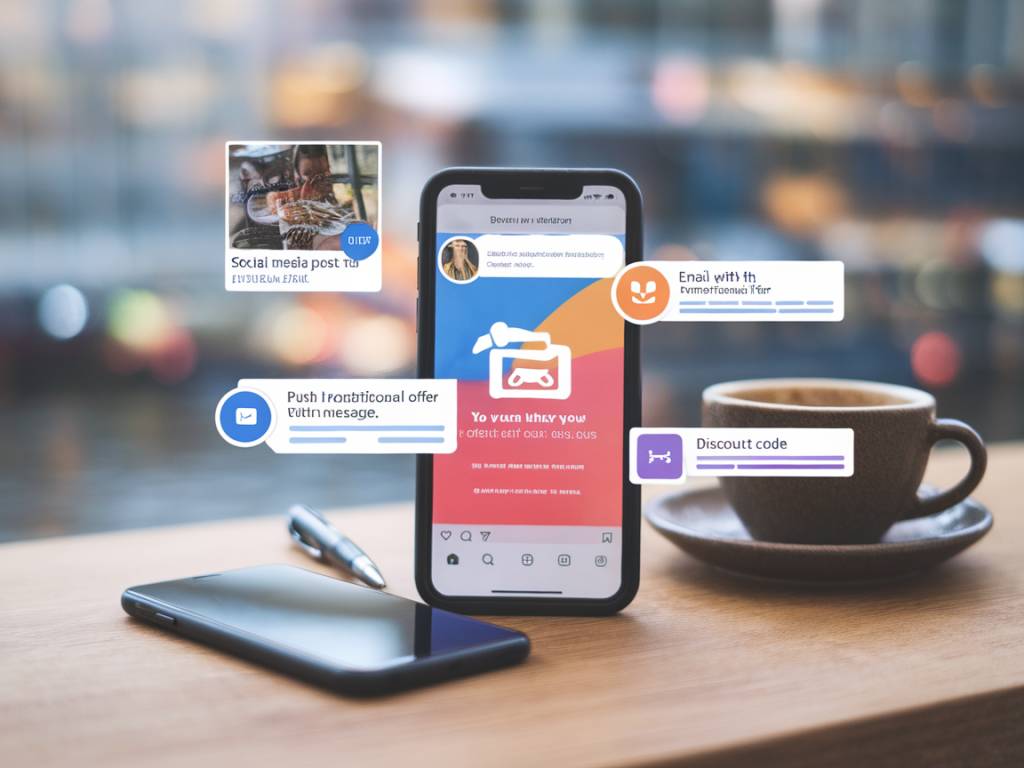
AI and Mobile Marketing: A Transformational Shift
In recent years, artificial intelligence (AI) has dramatically transformed the landscape of digital marketing. Nowhere is this more evident than in the domain of mobile marketing. As of 2024, the integration of AI technologies into mobile strategies is reshaping how brands interact with consumers, optimize user experiences, and drive conversions. With mobile usage continuing to dominate digital behavior, leveraging AI in this space has become a critical priority for marketers seeking competitive advantage.
Context: The Rise of Mobile-First Consumers
Mobile devices account for a significant share of global internet traffic — over 60% in 2024, according to recent data. This mobile-first reality necessitates marketing strategies that are not only optimized for small screens but are also responsive to real-time user behavior. AI enables brands to meet these demands by providing personalized, data-driven interactions that align with user intent at every touchpoint on the mobile journey.
AI-Powered Personalization at Scale
One of the most significant impacts of AI on mobile marketing lies in its ability to deliver hyper-personalized experiences. By analyzing behavioral data, past interactions, and contextual factors like location or device type, AI systems can tailor content, product recommendations, and offers for individual users in real time.
Mobile apps now use AI algorithms to:
- Send dynamic push notifications based on user behavior and preferences
- Offer real-time in-app recommendations powered by predictive analytics
- Adapt app interfaces dynamically based on usage patterns
This degree of personalization enhances user engagement, boosts customer satisfaction, and ultimately contributes to higher retention rates.
Chatbots and Conversational Interfaces
AI-powered chatbots are increasingly integrated into mobile experiences, offering 24/7 customer support and seamless engagement without the need for human intervention. In 2024, conversational AI has reached unprecedented levels of sophistication, understanding not only commands but also tone, context, and emotion.
These mobile chatbots support a wide array of functions, including:
- Answering user queries in real-time
- Guiding users through a sales funnel
- Collecting feedback through natural dialogue
- Providing multilingual support to global audiences
Marketers can also harness insights gathered through these interactions to improve messaging strategies and refine customer personas.
Machine Learning for Predictive Analytics
Predictive analytics, driven by machine learning, allows mobile marketers to anticipate user actions and adjust their strategies accordingly. This includes identifying which users are most likely to churn, predicting which products a user is most likely to purchase, and estimating the optimal timing for sending marketing messages.
By understanding trends and forecasting behaviors, brands are able to:
- Optimize customer lifecycles through targeted retention campaigns
- Reduce user acquisition costs by refining targeting criteria
- Increase ROI by allocating budgets to high-conversion segments
AI tools such as Google’s AutoML and platforms like Salesforce Einstein offer built-in machine learning capabilities that democratize predictive analysis and make it accessible to teams without data science expertise.
AI-Enhanced Programmatic Advertising
Another domain where AI is making a substantial impact is programmatic advertising on mobile devices. Programmatic platforms use AI to buy and place ads in real-time auctions, using data to determine the most relevant ad placements on mobile web and in-app environments.
AI improves ad performance by:
- Identifying the best time and channel to reach mobile users
- Analyzing bid strategies in real time to maximize spend efficiency
- Optimizing creatives for different screen sizes and formats
AI also plays a role in fraud detection, identifying invalid traffic and malicious clicks to ensure ad budgets are not wasted. This not only improves campaign efficiency but also protects brand reputation in the highly competitive mobile space.
Voice Search and AI Assistants
With the proliferation of voice-activated assistants like Siri, Google Assistant, and Alexa, voice search is becoming increasingly important in mobile marketing strategies. AI enables accurate natural language processing (NLP), empowering these assistants to understand and execute search queries with high precision.
This shift requires marketers to optimize their mobile content for voice search, including incorporating long-tail keywords and conversational language. Voice AI also opens up new formats for engagement, such as audio ads and in-device product purchases, especially within the growing smart speaker market.
AI in Mobile App Development and Testing
AI is also streamlining the back end of mobile marketing — app development and testing. Tools driven by AI can now detect bugs, generate test cases automatically, and simulate user behavior to assess functionalities across devices and operating systems. This results in faster time-to-market and improved user experiences, which are essential to retain competitive positioning in app stores.
Moreover, AI is used to assess user feedback and app review sentiment at scale, allowing developers and marketers to respond quickly to issues or feature requests. This closed feedback loop helps improve UX continuously based on real-time data insights.
Ethics, Data Privacy, and AI Regulation
With increased personalization and data processing comes a heightened need for transparency, data privacy, and ethical use of AI. In 2024, regulatory frameworks like the General Data Protection Regulation (GDPR) and California Consumer Privacy Act (CCPA) continue to influence how AI-driven platforms collect and utilize user data on mobile devices.
Marketers must ensure:
- AI systems are explainable and free from inherent biases
- User data is collected and stored securely
- Consumers have control over their personal information and preferences
The emphasis on ethical AI builds consumer trust and supports long-term brand equity in a highly connected mobile environment.
The Future of AI in Mobile Marketing
Looking ahead, AI’s influence on mobile marketing is set to deepen, with emerging technologies such as augmented reality (AR), generative AI, and edge computing taking personalization and engagement to new heights. Marketers must continue to invest in AI tools and talent to stay at the forefront of innovation and respond effectively to ever-evolving consumer behaviors.
In 2024, one thing is clear: AI is no longer a novelty in mobile marketing—it is the foundation for scalable, intelligent, and context-aware strategies that deliver real business value.