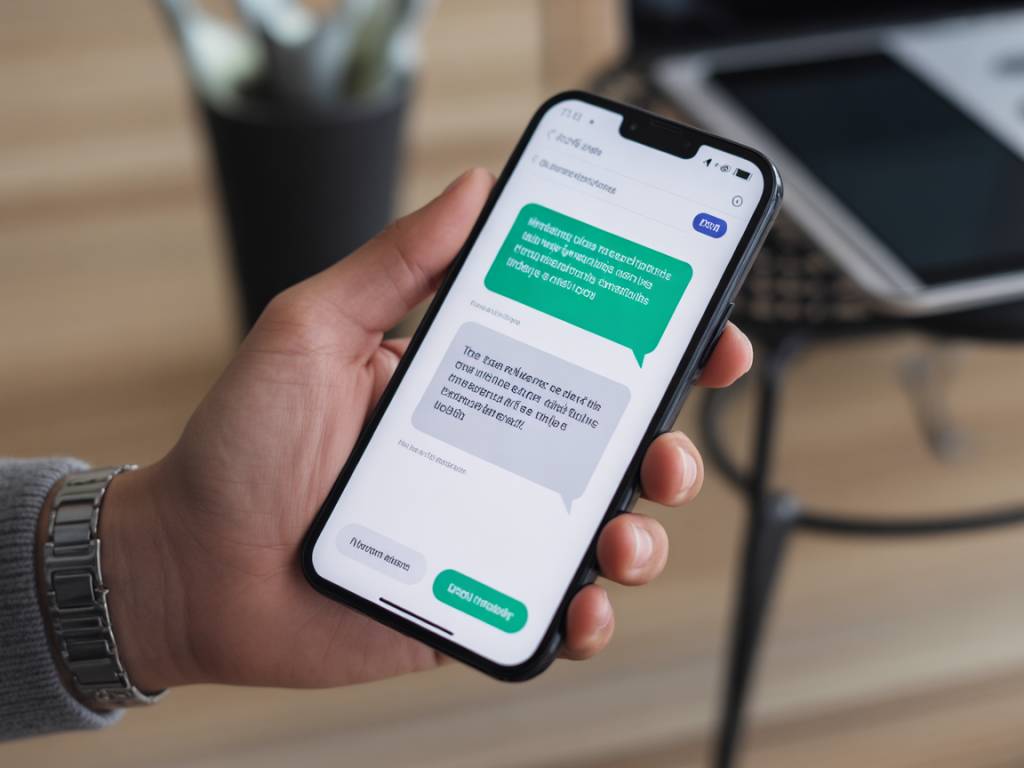
What Is RCS Messaging and Why It Matters for Mobile Marketing
Rich Communication Services (RCS) is often described as the evolution of SMS. It transforms the traditional text message into an interactive, media-rich communication channel directly inside the default messaging app on Android devices. For marketers, RCS messaging opens the door to next-generation mobile marketing campaigns that resemble app-like experiences without requiring an app download.
Unlike SMS, which is restricted to 160 characters and plain text, RCS supports high-resolution images, carousels, suggested replies, suggested actions, read receipts, typing indicators, and verified sender profiles. In practice, this means brands can design rich mobile marketing campaigns that feel closer to messaging on platforms like WhatsApp, but delivered through the native messaging client.
For mobile marketing teams focused on customer engagement, conversion optimization, and performance tracking, RCS messaging offers a powerful new channel that bridges the gap between traditional SMS campaigns and fully fledged mobile apps or chatbots.
Key Advantages of RCS for Mobile Marketing Campaigns
RCS messaging offers a combination of reach, interactivity, and data that is difficult to achieve with legacy SMS or MMS. Several advantages explain why it is becoming a strategic pillar in modern mobile marketing strategies.
Among the main benefits:
- Rich media and branding: RCS supports images, GIFs, videos, and carousels, allowing brands to showcase products, promotions, and services in a visually compelling way. Messages can be white-labeled with brand logos and colors, creating a consistent brand experience.
- Interactive elements: Marketers can add suggested replies (quick response buttons) and suggested actions (e.g., “Buy now”, “Call support”, “Find store”). These interactive features reduce friction and guide users through a defined customer journey.
- Enhanced customer experience: The user experience feels conversational and app-like, with the advantages of a chat interface. This is particularly valuable for personalized recommendations, transactional updates, and customer care flows.
- Verified and trusted sender IDs: RCS allows brand verification, helping users recognize legitimate messages and improving trust while reducing the risk of phishing and fraud associated with traditional SMS.
- Analytics and measurement: Deliverability status, open rates, link clicks, and interaction with specific buttons or carousels can be tracked, turning RCS marketing campaigns into measurable performance channels similar to email or display advertising.
- Two-way conversational marketing: Unlike one-directional SMS blasts, RCS is well suited for dialogue. It can support conversational marketing strategies using chatbots, live agents, or a hybrid model.
How RCS Messaging Compares with SMS, MMS, and OTT Apps
To understand the strategic value of RCS messaging in mobile marketing, it is useful to compare it with existing channels such as SMS, MMS, and over-the-top (OTT) messaging apps like WhatsApp and Facebook Messenger.
Compared with SMS, RCS provides:
- Support for rich media without the cost and complexity of MMS
- Longer messages and interactive elements instead of basic text
- More granular analytics and campaign performance tracking
- Brand verification and improved user trust
Compared with OTT messaging apps, RCS offers:
- Native integration in the Android Messages app, without requiring third-party downloads
- Potentially broader reach when users have RCS enabled by default via their mobile operator or Google
- Control and consistency via standardized protocols and operator partnerships
However, device and operator fragmentation is still a reality. While Android adoption of RCS has grown significantly, not all users have RCS enabled, and support on iOS is still pending at the time of writing. For these reasons, many mobile marketers deploy RCS as part of a broader omnichannel messaging strategy that still includes SMS as a fallback option.
Core Use Cases for RCS in Next-Generation Campaigns
RCS messaging is particularly suitable for mobile marketing campaigns where visual content, interactivity, and real-time engagement are key drivers of performance. Several use cases are currently gaining traction across industries.
Promotional campaigns and product launches
Retailers, e-commerce platforms, and consumer brands can use RCS to send promotional offers enriched with visuals and clear calls-to-action. Instead of a plain-text discount code, the campaign can feature product carousels, countdown banners, and buttons like “Shop now” or “View details”. This format is more effective for discovery and can help increase click-through rates compared to classic SMS promotions.
Transactional and lifecycle messaging
Shipping updates, order confirmations, appointment reminders, and account alerts can be transformed into interactive RCS experiences. For example, a logistics company can add package tracking widgets and quick reply options such as “Reschedule delivery” or “Change address”, creating a smoother user journey and reducing pressure on call centers.
Customer onboarding and education
Banks, insurance providers, and subscription services can use RCS messaging to guide new customers through onboarding steps, using short tutorials, forms, and FAQ buttons, all within a single conversational thread. This offers an alternative to email onboarding, which often suffers from low open rates on mobile devices.
Loyalty programs and membership engagement
RCS campaigns can be used to promote loyalty points, rewards, and personalized recommendations based on purchase history. Rich cards can highlight special offers reserved for loyalty members, while suggested actions lead users directly to relevant sections in a mobile site or app.
Customer support and conversational commerce
RCS supports sophisticated conversational flows powered by AI chatbots or live agents. Users can ask questions, browse FAQs, receive tailored product suggestions, and complete purchases without leaving their messaging app. In markets where RCS penetration is strong, this opens up new possibilities for conversational commerce and support automation.
Designing Effective RCS Mobile Marketing Campaigns
Moving from traditional SMS to RCS requires a shift in campaign design and creative thinking. Instead of treating messages as simple text blasts, marketers need to imagine interactive experiences optimized for engagement and conversion.
Key design principles include:
- Structure the flow, not just the message: RCS allows multi-step interactions. Plan the conversational journey by defining entry points, key decision points, and desired conversions, whether it is a purchase, a form submission, or a support resolution.
- Leverage carousels and cards: For product discovery, use cards with images, descriptions, and buttons. Carousels enable users to swipe through multiple offers or categories from a single message.
- Use suggested replies and actions strategically: Predefined response buttons reduce friction. Include the most common actions, such as “Yes”, “No”, “More details”, “Contact agent” or direct links to your mobile site or app.
- Optimize for mobile performance: Compress images and videos to load quickly, keeping in mind users may have variable network conditions. Clear copy and concise headlines are essential on small screens.
- Personalize whenever possible: Combine RCS with CRM data to deliver tailored content: recommended products, local store information, or context-aware promotions based on past behavior.
Technical and Strategic Considerations for Marketers
To deploy RCS messaging at scale, mobile marketers typically work with Communications Platform as a Service (CPaaS) providers or messaging aggregators that offer RCS Business Messaging (RBM) capabilities. These partners handle technical aspects such as operator connections, APIs, and compliance requirements.
Key considerations when integrating RCS into your mobile marketing stack include:
- Coverage and availability: Understand which portions of your audience can receive RCS and where SMS fallback is necessary. Segment your database by device type, operator, and geographic region to maximize the effective reach of RCS campaigns.
- Opt-in and consent management: As with all mobile messaging, compliance with regulations such as GDPR or TCPA is essential. Ensure you have clear consent to send marketing communications via RCS and provide easy options for opt-out.
- API integration and automation: Connect your RCS platform to your CRM, marketing automation, and analytics tools. Trigger campaigns based on events (cart abandonment, order updates, renewal reminders) to create real-time and behavior-based interactions.
- Brand verification and security: Complete the necessary brand registration and verification steps to appear as a trusted sender. This typically involves submitting brand information, sample messages, and use cases to operators or platform providers.
- Measurement and attribution: Define your KPI framework before launching RCS campaigns. Common metrics include delivery rates, read rates, button interaction, link clicks, opt-out rates, and downstream conversions such as purchases or bookings.
Best Practices for Maximizing RCS Campaign Performance
As brands experiment with RCS, a series of best practices are emerging from early adopters across sectors such as retail, travel, finance, and telecom.
- Test and iterate creative elements: A/B test different layouts, images, copy, and call-to-action buttons. Small design changes can significantly affect engagement and conversion in an interactive environment.
- Respect frequency and relevance: Because RCS campaigns are more immersive than SMS, overly frequent or irrelevant messages can quickly generate fatigue. Use behavioral data and preference centers to control frequency caps.
- Combine RCS with other channels: Integrate RCS into your omnichannel customer journey. For example, reinforce an email campaign with an RCS reminder or follow up a mobile web visit with an RCS recommendation flow.
- Use SMS fallback intelligently: When users cannot receive RCS, a simplified SMS version of the campaign should be delivered. Design both formats together to maintain message consistency.
- Monitor user feedback and support: Interactive campaigns may generate questions and support requests. Ensure your contact center or chatbot is ready to respond promptly and effectively.
Future Outlook for RCS in Mobile Marketing
The trajectory of RCS messaging is closely tied to operator adoption, device support, and platform strategy. As more carriers enable RCS by default and as Android penetration remains strong in many markets, the addressable audience for RCS-based mobile marketing campaigns continues to grow.
Industry players are also experimenting with advanced features such as payments within RCS conversations, deeper chatbot integrations, and more sophisticated analytics. For brands, the strategic question is not whether RCS will replace SMS entirely, but how it can complement existing mobile messaging channels to deliver richer, more measurable, and more engaging experiences.
For marketers and mobile strategists, investing time now in understanding RCS capabilities, testing early campaigns, and integrating the channel into existing marketing technology stacks can create a competitive advantage. As consumer expectations for seamless, conversational, and visually rich interactions continue to rise, RCS messaging has the potential to become a central component of next-generation mobile marketing campaigns.