Wearable marketing has moved from experimental tactics to a meaningful part of the mobile engagement mix. In 2026, smartwatches are no longer seen only as health trackers or productivity tools. They are now a responsive, always-on touchpoint that gives brands a new way to reach consumers in moments that matter. As mobile behavior becomes more fragmented and attention becomes harder to earn, smartwatch marketing is emerging as a practical extension of mobile engagement strategies.
The growth of smartwatch adoption is changing how marketers think about mobile audiences. Unlike smartphones, which often compete with dozens of apps, tabs, and notifications, smartwatches are built around immediacy. They deliver short, contextual, and action-oriented interactions. That makes them especially valuable for brands looking to improve engagement rates, increase response speed, and deliver personalized experiences without overwhelming the user.
Why Smartwatches Matter in Modern Mobile Marketing
Smartwatches have become a powerful layer in the customer journey because they sit closer to the user’s daily routine. They are worn throughout the day, often remain within arm’s reach, and are frequently used for quick checks rather than extended browsing. This creates a unique environment for marketers focused on mobile engagement, push notification optimization, and real-time customer interaction.
Compared with traditional mobile channels, smartwatch interactions are more concise and more context-aware. A smartwatch user may glance at a notification during a commute, during a workout, or while shopping in-store. Each of these moments can be mapped to a different marketing intent. For brands, that means wearable marketing is not about replacing smartphone campaigns. It is about extending them into a more immediate and situational channel.
Several factors are driving this shift:
How Smartwatch Notifications Are Changing Engagement Patterns
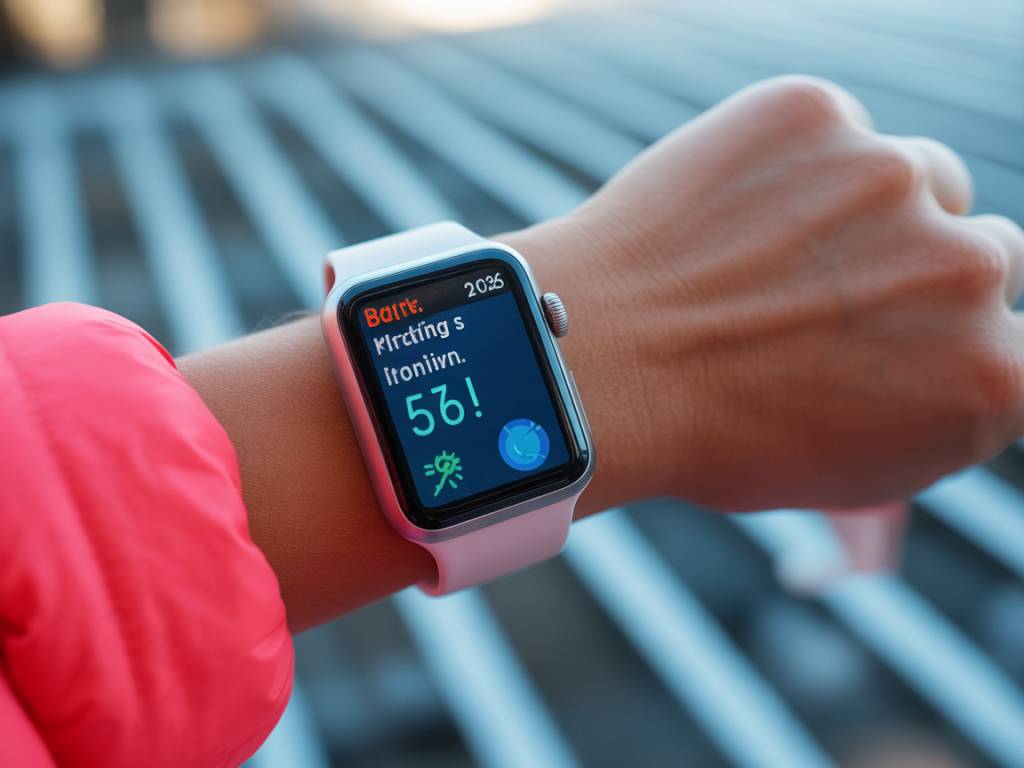
Smartwatch notifications are one of the most direct forms of wearable marketing. Unlike email or even standard mobile push notifications, smartwatch alerts are designed for instant visibility. They are brief, tactile, and highly interruptive when used incorrectly. When used well, they can drive fast engagement because they reduce friction between message and action.
This is especially important in mobile marketing strategies where timing affects conversion. A promotional alert, a payment reminder, a delivery update, or a loyalty reward can all be more effective when they appear on a smartwatch at the right moment. Because the device is always on the user’s wrist, it can support faster decision-making than a smartphone that may be buried in a pocket or bag.
That said, smartwatch notifications require restraint. Brands must be selective, concise, and relevant. Overuse can quickly lead to notification fatigue, app uninstalls, or disabled permissions. In 2026, successful wearable marketing depends on precision rather than volume.
Personalization Is the Core of Wearable Marketing
Personalization has always been important in mobile marketing, but smartwatches raise the stakes. Wearable devices generate contextual signals such as location, activity level, time of day, and behavioral patterns. When combined with CRM data, app usage data, and purchase history, these signals can help brands deliver highly targeted messages.
A fitness brand, for example, can send recovery tips after a workout. A retailer can trigger a store-specific offer when a customer is near a location. A travel company can provide boarding reminders, gate changes, or itinerary updates directly to the wrist. In each case, the value of the message depends on how relevant it is to the user’s current context.
This kind of personalization supports stronger customer engagement because it feels practical rather than promotional. The best wearable marketing campaigns do not simply advertise products. They assist, remind, and simplify. That shift from advertising to utility is one of the reasons smartwatches are reshaping mobile engagement in 2026.
Key Use Cases for Smartwatch Marketing
Wearable marketing works best when the use case matches the strengths of the device. Smartwatches are not built for long-form content, complex browsing, or detailed comparison shopping. Instead, they are ideal for short, actionable, and time-sensitive interactions.
Common smartwatch marketing use cases include:
These use cases work because they align with user expectations. A smartwatch is not a destination for discovery-heavy browsing, but it is a strong channel for prompting action. That makes it particularly useful for mobile engagement strategies built around convenience, speed, and relevance.
The Role of Context in Effective Wearable Campaigns
Context is what separates useful wearable marketing from intrusive messaging. A smartwatch notification delivered at the wrong time can feel disruptive, while the same message delivered in the right context can feel genuinely helpful. In 2026, contextual marketing is a major advantage for brands using wearables because the device naturally reflects what the user is doing in the moment.
This context can include movement, location, calendar activity, and even biometric data, depending on permissions and platform capabilities. Marketers can use these signals to refine audience segmentation and improve message timing. For example, a travel app might delay a promotional message until after an airport check-in alert has been sent, or a retail brand might trigger a reminder when a customer enters a shopping district.
The most effective campaigns use context to reduce noise. This supports higher open rates, better click-through performance, and stronger retention over time. It also helps brands maintain trust, which is increasingly important as consumers become more selective about the data they share and the notifications they accept.
Challenges Marketers Must Address
While the opportunity is significant, smartwatch marketing also comes with limitations. Screen size is the most obvious one. Messages must be brief, readable, and immediately understandable. There is little room for storytelling, complex design, or multiple calls to action. This forces marketers to simplify their communications and prioritize clarity.
Another challenge is fragmentation. Smartwatch platforms differ in capabilities, design patterns, and app ecosystems. A campaign that works well on one wearable operating system may need adjustments for another. Marketers must therefore test across devices and ensure the experience remains consistent with broader mobile engagement goals.
Privacy is also central. Because wearable devices can access sensitive data, users are increasingly cautious about how brands use it. Transparency, permission management, and data minimization are essential. Campaigns that rely on overly invasive tracking can damage brand credibility and reduce long-term engagement.
Key challenges include:
Measurement and Attribution in Wearable Marketing
One of the biggest questions in wearable marketing is how to measure success. Traditional mobile metrics such as installs, sessions, clicks, and conversions still matter, but smartwatch interactions often act as a supporting layer rather than a standalone conversion channel. That means marketers need to look beyond basic engagement rates.
Useful smartwatch marketing metrics can include notification open rates, response speed, downstream app activity, in-store visits, redemptions, and repeat engagement. Brands should also analyze how wearable interactions influence the broader customer journey. For example, did a smartwatch reminder increase the likelihood of completing a purchase on the smartphone later that day?
Attribution remains complex, especially in multi-device journeys. However, improved analytics tools and cross-device identity resolution are making it easier to understand the role wearables play in conversion. In 2026, the brands that succeed will be those that treat smartwatch data as part of a larger mobile engagement framework rather than as an isolated channel.
How Brands Can Build Better Wearable Strategies
To make wearable marketing effective, brands should design for utility, timing, and simplicity. The goal is to create messages that fit naturally into the smartwatch experience while supporting broader marketing objectives. This means shortening copy, limiting frequency, and using behavior-based triggers instead of generic campaigns.
A strong smartwatch strategy often begins with use-case prioritization. Brands should identify the moments where the wearable channel can genuinely improve the customer experience. Those moments may include reminders, alerts, confirmations, and time-sensitive offers. From there, teams can build workflows that connect smartwatch notifications to CRM, automation, and mobile app engagement tools.
It is also important to test creative variations. Because the device is small, every word matters. The message needs to communicate value immediately and clearly. Strong wearable campaigns often use a direct headline, one supporting detail, and a single action prompt.
Practical best practices include:
The Future of Mobile Engagement on the Wrist
Smartwatches are becoming an important part of omnichannel marketing because they bridge the gap between awareness and action. As wearables continue to evolve, their role in mobile engagement will likely expand beyond notifications into richer forms of interaction, including voice responses, quick-reply actions, and more advanced app integrations.
For marketers, this means wearable marketing should no longer be treated as a novelty. It is a practical channel for timely communication, customer retention, and engagement optimization. In a mobile environment where consumer attention is increasingly limited, the smartwatch offers a direct, intimate, and context-rich way to connect.
Brands that understand the strengths and limits of this channel will be better positioned to build meaningful interactions in 2026. The most effective campaigns will be those that use smartwatches not as a replacement for mobile marketing, but as a smarter extension of it.