For nearly three decades, SMS has been the backbone of mobile communication and an essential pillar of mobile marketing. Yet, traditional text messaging is now reaching its limits in a world shaped by rich media, instant messaging apps and conversational commerce. This is where RCS (Rich Communication Services) enters the picture, positioning itself as the new frontier of mobile marketing after the decline of legacy SMS.
What is RCS and why does it matter for mobile marketing?
RCS, or Rich Communication Services, is a messaging standard designed to upgrade SMS and MMS with modern features similar to those found in apps like WhatsApp, iMessage or Messenger. It allows brands and users to exchange rich content directly in the native messaging app on Android devices, and—thanks to recent ecosystem moves—eventually on iOS as well.
For marketers, RCS is not just a technical evolution. It is a strategic shift that transforms the messaging channel from a basic text pipe into an interactive, branded, trackable environment. Where SMS was limited to 160 characters of plain text, RCS supports:
- High-resolution images and videos
- Carousels and product cards
- Buttons and quick replies
- Maps, locations and calendar integration
- Payment and checkout flows
- Read receipts and typing indicators
In other words, RCS turns the default messaging app into a powerful mobile marketing and customer engagement interface, without asking users to download any additional app.
Why SMS is no longer enough for modern customer journeys
Traditional SMS still has undeniable strengths: near-universal reach, very high open rates and simplicity. However, its limitations are increasingly obvious when compared to the rich, app-like experiences that consumers enjoy daily on other platforms.
Key weaknesses of SMS in the current landscape include:
- No native rich media: SMS is text-only; MMS adds media but is fragmented, expensive and not consistently supported.
- Lack of interactivity: Calls to action often rely on links that redirect users to mobile sites or apps, adding friction.
- Minimal branding: Messages look similar regardless of who sends them, making it hard for brands to stand out.
- Limited analytics: Delivery and click tracking are often partial or require third-party workarounds.
As customer journeys become more complex and expectations rise, marketers need channels that combine the reach of SMS with the rich, interactive capabilities of messaging apps. RCS aims to fill precisely that gap.
RCS vs SMS and MMS: what changes for brands?
From a user perspective, RCS messages appear in the same default messaging app that handles SMS—but the experience is much richer. From a brand and mobile marketing perspective, the differences are even more significant.
Compared to SMS and MMS, RCS offers:
- Branded sender identities: Verified sender profiles with logo, brand name, color palette and description build trust and visibility.
- App-like experiences: Carousels, product grids, list pickers and suggested replies enable interactive flows within the conversation.
- Better engagement data: Read receipts, interaction tracking and event-based analytics support more advanced optimization.
- Enhanced security: Verified sender and anti-spam mechanisms reduce fraud and phishing risk compared to unverified SMS senders.
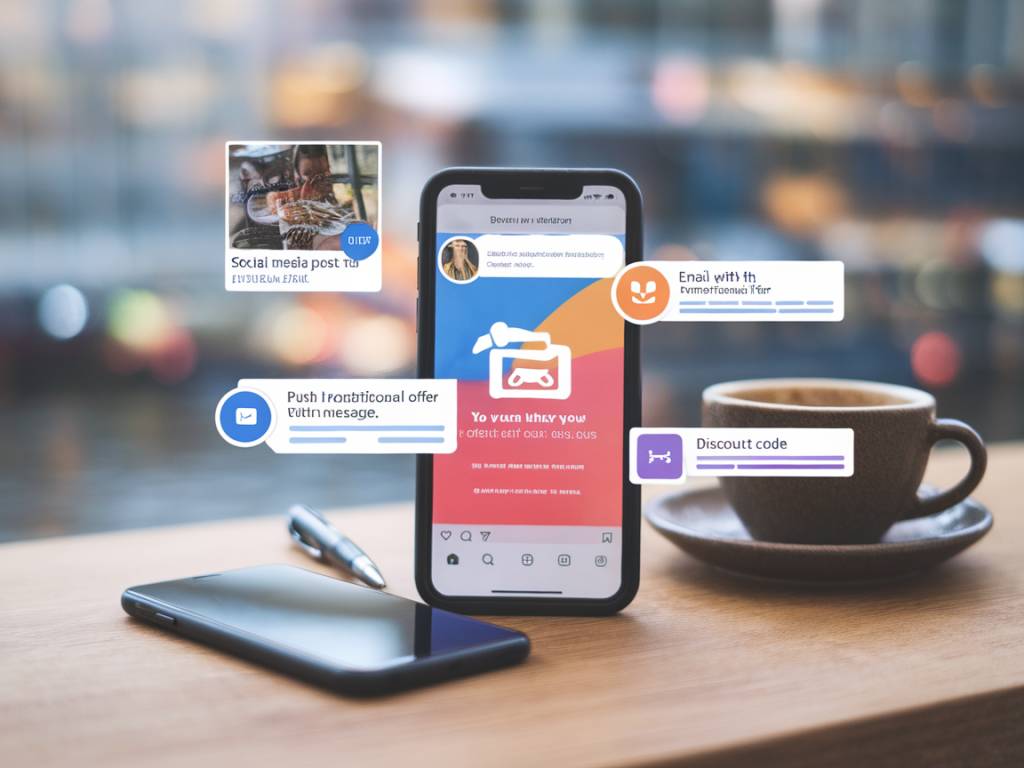
Instead of sending a discount code followed by a URL, a retailer can directly present a catalog inside the message, allow the consumer to browse products, choose a size, and add items to the cart—all from the RCS conversation. This is a fundamental shift in how brands can design mobile-first experiences.
Key use cases of RCS in mobile marketing
RCS unlocks a wide range of use cases that go well beyond traditional SMS campaigns, blending marketing, service and commerce in one channel.
Some of the most promising scenarios include:
- Promotional campaigns with product carousels: Instead of a generic promotional text, brands can showcase multiple products with images, prices and calls to action in the same message.
- Conversational promotions: Users can respond with quick reply buttons like “More options”, “Different color” or “Nearest store” to navigate an offer.
- Onboarding and tutorials: Rich onboarding flows using short videos, step-by-step guides and interactive options improve comprehension and engagement.
- Loyalty and retention: Dynamic loyalty cards, point balances and exclusive offers can be shared in an interactive format that encourages repeat actions.
- Customer care: Service interactions become more fluid with multimedia troubleshooting, FAQs and guided paths inside the same RCS thread.
Because the line between marketing and service is increasingly blurred, RCS lends itself naturally to lifecycle-based communication, where promotional, transactional and support messages coexist in a coherent conversational space.
RCS and conversational commerce
One of the most strategic aspects of RCS is its ability to support conversational commerce directly in the native messaging app. Instead of forcing users to switch channels between discovery, consideration and purchase, RCS allows the entire funnel to unfold in a single, guided conversation.
Use cases for conversational commerce via RCS include:
- Guided product discovery: Ask a few qualifying questions using quick replies (“Budget range?”, “Preferred style?”) and then present curated product suggestions.
- Booking and reservations: Let users choose time slots, locations or seats with interactive lists, then confirm and store the booking information in the chat.
- Reorders and replenishment: Trigger RCS reminders when it is time to reorder a product and allow one-tap confirmations within the message.
- Embedded payments (where supported): Integrate payment options so that checkout is completed without leaving the conversation.
This approach is fully aligned with the broader trend of messaging becoming a commerce layer. As brands seek to reduce friction and improve conversion rates on mobile, RCS stands out as a promising channel to test and scale conversational commerce strategies.
Adoption, ecosystem and the role of Apple and Google
For years, one of the main questions around RCS was adoption. While Google strongly pushed RCS through Android Messages and partnerships with operators, Apple resisted, maintaining iMessage and SMS for its messaging infrastructure. This created uncertainty for brands that wanted consistent coverage across operating systems.
The landscape is now shifting. With Google continuing to standardize RCS on Android and Apple announcing support for the RCS standard in its Messages app, the medium-term outlook is increasingly favorable. As RCS becomes available across more devices and markets, it will progressively move from an experimental channel to a mainstream component of mobile marketing strategies.
However, the pace of adoption will remain uneven by country, operator and device. Marketers should therefore work closely with their messaging service providers to understand coverage, fallbacks to SMS/MMS and best practices for handling mixed audiences.
Privacy, data and regulation in the RCS era
As with any messaging channel, the use of RCS in marketing must comply with privacy and data protection regulations, such as GDPR in Europe or other regional frameworks. Consent, transparency and opt-out mechanisms remain non-negotiable elements of any responsible RCS program.
From a data perspective, RCS provides richer engagement signals than SMS, including read events, button clicks and interaction paths. This offers new opportunities for:
- Segmentation: Build audiences based on actual in-message behavior.
- Personalization: Adapt flows and offers to individual preferences expressed through conversations.
- Attribution: Better understand the impact of RCS on conversions and lifetime value.
Brands will need to integrate RCS data into their CRM, CDP or marketing automation stack in order to fully leverage these insights. At the same time, they must ensure robust data governance and respect user choices around tracking and communication frequency.
How brands can start experimenting with RCS
For marketers accustomed to SMS, the best approach is to treat RCS as an evolution rather than a total rupture. A pragmatic roadmap might include the following steps:
- Audit current SMS use: Identify campaigns and scenarios where richer content or interactivity would have the biggest impact.
- Choose a messaging partner: Work with a CPaaS or messaging provider that supports RCS and can handle fallbacks to SMS/MMS when RCS is not available.
- Design pilot campaigns: Start with limited audiences and clear KPIs (engagement rate, click-through, conversion, NPS) to compare RCS performance with SMS.
- Test content formats: Experiment with carousels, suggested replies, product cards and multimedia to understand what resonates.
- Iterate based on data: Refine targeting, messaging and flows as insights accumulate, then progressively scale the most effective use cases.
The goal is to move from simple message replacement (SMS to RCS) to true journey redesign, using the conversational and rich features of RCS to rethink how the brand interacts with users at different stages of the lifecycle.
Best practices for RCS mobile marketing campaigns
To leverage the full potential of RCS while avoiding common pitfalls, marketers should consider a few practical guidelines:
- Respect the conversational nature of the channel: Avoid turning RCS into a one-way push channel. Encourage replies and design flows that react to user input.
- Optimize for mobile context: Make sure media is light, load times are fast and buttons are easy to tap on smaller screens.
- Highlight brand identity: Use verified sender profiles, consistent visuals and tone of voice to reinforce trust and recognition.
- Use personalization thoughtfully: Combine profile data with behavioral signals from the conversation to tailor messages, without being intrusive.
- Plan fallback strategies: Not all users will have RCS enabled. Ensure SMS or MMS fallbacks preserve the core message for those users.
- Measure end-to-end impact: Do not stop at open or interaction rates; track how RCS influences sales, churn reduction and customer satisfaction.
By approaching RCS strategically, brands can transform a legacy notification channel into a high-value, interactive layer of their mobile marketing ecosystem.
RCS as the next phase of mobile messaging for brands
The end of traditional SMS as the sole standard for mobile messaging does not mean the end of text-based communication; it signals a transition to richer, more integrated formats suited to modern customer expectations. RCS represents this next phase, bridging the gap between the simplicity and reach of SMS and the sophistication of chat apps.
As device support broadens and the ecosystem matures, RCS is set to become an essential component of mobile marketing strategies, particularly for brands that view messaging not just as a notification tool but as a core environment for engagement, service and commerce. Those who start experimenting now, building expertise and data-driven best practices, will be better positioned to capitalize on this new frontier of mobile communication.